Mortgage rates are rising again in 2026. Learn how global events, inflation, and Treasury yields are impacting real estate—and what it means for buyers.
Mortgage Rates Are Rising Again: What Global Forces Mean for Real Estate in 2026
The mortgage market has shifted once again—and the drivers behind this movement extend far beyond real estate.
Over the past several weeks, mortgage rates have moved back toward their highest levels since mid-2025, returning to the mid-6% range (National Average) according to industry data. What’s notable is not just the direction of rates—but the underlying forces influencing them.
This is no longer a purely domestic story. It’s global.
The Real Driver: Global Instability and Inflation Pressure
A key factor behind the recent increase in mortgage rates is rising geopolitical tension, particularly involving Iran. As conflict risk increases, oil prices have surged—bringing renewed inflation concerns back into focus.
Why does this matter for real estate?
Because inflation directly impacts the 10-year U.S. Treasury yield, which serves as the primary benchmark for mortgage rates. As Treasury yields rise, mortgage rates tend to follow.
This chain reaction—geopolitics → energy prices → inflation → Treasury yields → mortgage rates—is now firmly back in play.
A Market Defined by Volatility, Not Direction
Earlier this year, there was optimism around mortgage rates potentially falling below 6%. That narrative has shifted.
Today’s environment is better defined by volatility rather than a clear downward trend.
Across the market, we are seeing:
- Increased fluctuation in interest rates
- Upward pressure tied to macroeconomic uncertainty
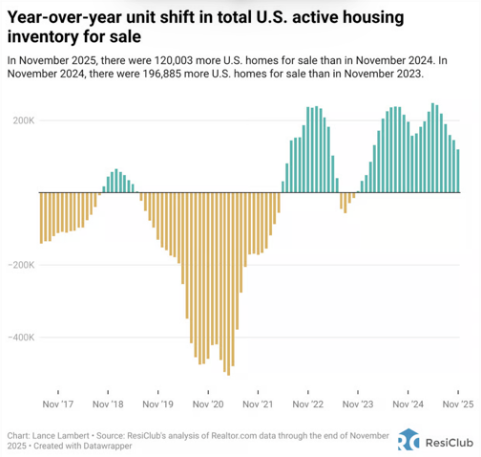
- Continued strength in home prices despite higher borrowing costs
Even among leading forecasts, there is no clear consensus. Some projections suggest rates may ease later in the year, while others expect them to remain elevated throughout 2026.
The only consistent expectation is inconsistency.
Why Timing the Market Is Increasingly Difficult
In stable environments, buyers often attempt to “time” interest rates—waiting for optimal entry points.
In volatile environments, this strategy becomes significantly more difficult.
Rates are no longer moving in predictable cycles. Instead, they are reacting to:
- Global conflict developments
- Energy market fluctuations
- Inflation data releases
- Bond market movements
These variables can shift quickly—and often without warning.
How Market Participants Are Adapting
Rather than attempting to predict short-term rate movements, many experienced participants are adjusting their approach.
Across the market, there is a growing focus on:
- Flexibility in transaction structuring
- Preserving optionality for future refinancing
- Maintaining competitive positioning in acquisition scenarios
This reflects a broader shift—from rate-driven decision-making to strategy-driven decision-making.
A Subtle but Important Shift in Buyer Behavior
In periods of heightened volatility, a commonly observed approach among more experienced buyers is to prioritize long-term positioning over short-term rate optimization.
The reasoning is straightforward:
- Real estate opportunities are often time-sensitive
- Financing structures can evolve as market conditions change
This doesn’t eliminate the importance of interest rates—but it reframes their role within a broader strategy.
The Bigger Picture: Real Estate in a Global Context
One of the most important takeaways from the current environment is this:
Mortgage rates are not determined in isolation.
They are influenced by a complex web of global economic forces—many of which are outside the control of domestic housing markets.
Understanding this broader context can provide a meaningful advantage when evaluating real estate decisions in 2026 and beyond.
Final Thought
The market has entered a phase where adaptability matters more than prediction.
While interest rates remain a critical component of any transaction, they are just one piece of a much larger puzzle—one that now includes global economics, capital flows, and geopolitical dynamics.
For those paying attention, this shift creates not just challenges—but opportunities.
Stay Connected
For continued insights on market trends, real estate strategy, and capital markets, stay connected for future updates.