Mortgage rates are easing in 2026, but timing alone isn’t enough. Learn how buyers and homeowners can use strategy to win before competition returns.
Mortgage Rates Are Improving — Quietly
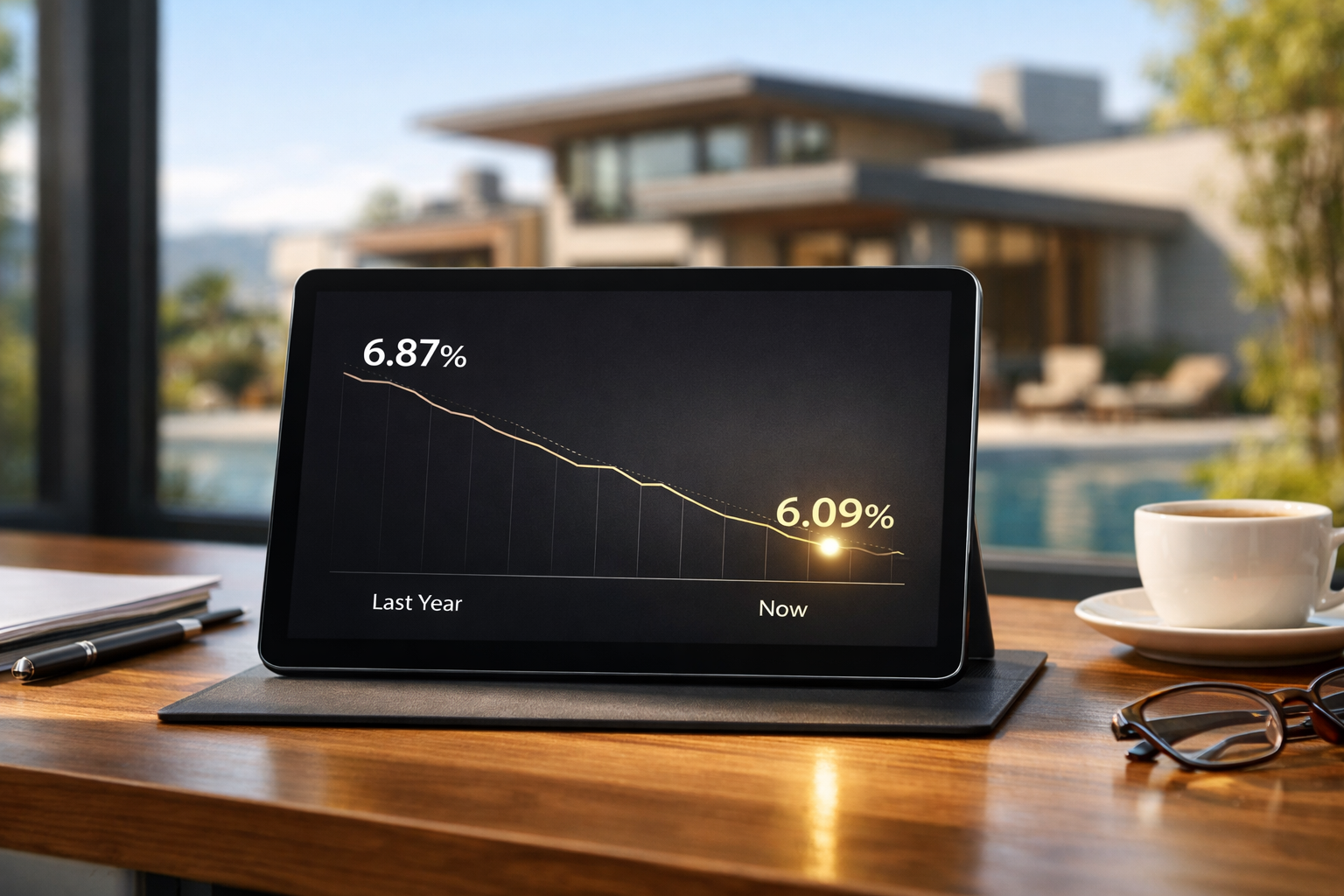
After spending much of 2025 stuck in the upper-6% range, mortgage rates have finally started to drift lower — and the shift is meaningful.
As of late January 2026, the average 30-year fixed mortgage rate sits near 6.18% nationwide, with 15-year rates around 5.40%. That’s a clear improvement from the 7%+ environment buyers and homeowners faced not long ago.
But this moment is deceptive.
Rates are easing quietly, without headlines or hype — and historically, those are the periods where prepared borrowers gain the most leverage. Once the narrative shifts and confidence returns, competition usually isn’t far behind.
This article breaks down what’s driving rates, what most people misunderstand about timing, and how to decide whether buying, refinancing, or restructuring a mortgage in 2026 actually improves your financial position.
1. What’s Driving Mortgage Rates Lower in 2026
Mortgage rates don’t move on emotion — and they don’t move directly with the Federal Reserve.
The recent improvement is the result of multiple forces aligning, not a single catalyst.
1.1 The Federal Reserve Has Shifted — Carefully
In late 2025, the Fed delivered three measured rate cuts, followed by a pause in January 2026. The message was clear: inflation is easing, but the job isn’t finished.
1.2 Inflation Is Cooling, Not Conquered
Price pressures have moderated, yet remain above long-term targets. This supports gradual rate relief — not aggressive cuts.
1.3 Markets Expect Selective Relief
Bond markets are pricing in slow, uneven improvement, not a straight line downward. Volatility remains part of the landscape.
1.4 Mortgage-Backed Securities Are Adding Support
An often-overlooked factor: over $200 billion in mortgage-backed securities purchases by Fannie Mae and Freddie Mac, which directly supports mortgage pricing.
Translation: Rates are improving — but this isn’t a race to the bottom.
2. Why Waiting for “Perfect” Rates Is Risky
Many buyers and homeowners are waiting for a moment that rarely arrives.
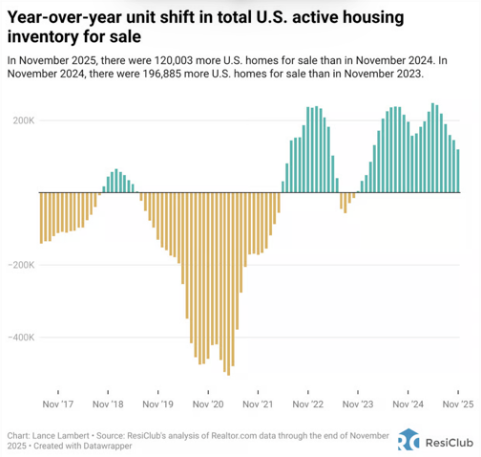
2.1 Lower Rates Bring More Competition
As rates ease:
- More buyers re-enter the market
- Competition increases
- Seller leverage returns
- Prices tend to follow
A lower rate doesn’t help much if the purchase price climbs faster.
2.2 The Best Opportunities Come Before the Crowd
Historically, the strongest outcomes happen before optimism becomes consensus.
The real advantage right now isn’t timing the bottom.
It’s structuring the mortgage correctly while conditions are still calm.
3. What This Means If You’re Buying in 2026
If you’re considering a purchase this year, today’s environment quietly favors buyers who are prepared and flexible.
3.1 Even Small Rate Moves Matter
A modest improvement — even 0.25% — can reduce monthly payments by hundreds if the purchase price and structure still make sense.
3.2 Strategy Beats Guesswork
Successful buyers today tend to:
- Lock when downside risk outweighs reward
- Float selectively during volatility
- Use temporary buydowns or structured incentives
- Focus on long-term affordability, not headlines
Exploring inventory early — before demand accelerates — creates leverage.
You can view current opportunities here:
👉 https://www.chrispessymiamirealestate.com/buildings
4. What This Means If You Already Own a Home
For homeowners who purchased between 2020 and 2024, this moment deserves attention.
4.1 Refinancing Is About More Than Rates
A refinance can also be used to:
- Shorten your loan term
- Move from ARM to fixed for stability
- Eliminate mortgage insurance
- Use equity strategically to rebalance higher-cost debt
4.2 Demand Is Rising — Which Makes Strategy Critical
With refinance activity increasing, many homeowners are reassessing whether now is the right moment to act — and discovering that structure matters more than timing alone.
The real question isn’t:
“Can I get a lower rate?”
It’s:
“Does this improve my long-term financial position?”
5. Mortgage Rates Don’t Come From the Fed
This is one of the most misunderstood parts of the mortgage process.
Mortgage rates come from lenders, not directly from the Federal Reserve.
Your final rate depends on:
- Your financial profile
- Loan structure
- The lender’s pricing model
- How well the strategy is executed
Comparing options across multiple lenders — and knowing when to lock, float, or hedge — can save tens of thousands of dollars over the life of a loan.
6. A Scenario Many Homeowners Recognize
You bought in a higher-rate environment.
Your rate isn’t terrible — but your payment feels heavy.
You’ve built equity, yet you’re unsure how to use it intelligently.
You’re not in a rush.
You’re not panicking.
You just don’t want to miss the window.
That’s exactly where thoughtful borrowers tend to win quietly.
7. Prepared Borrowers Win Before the Crowd Returns
2026 is shaping up to be a year where strategy beats speculation.
Rates are easing.
Competition hasn’t fully returned.
And borrowers who plan — instead of guessing — gain leverage.
If you’re buying, refinancing, or restructuring a mortgage this year, the goal isn’t chasing a headline rate.
It’s building a mortgage strategy that supports your broader financial life.
Let’s Have a Strategy Conversation
If you’re considering making a move in 2026, let’s review your options thoughtfully — based on your goals, your equity, and your long-term plans.
No pressure. No guessing. Just clarity.