Is now a good time to refinance? Fed changes, bond yields, and mortgage trends reveal a window for smarter mortgage strategy.
Is Now a Good Time to Refinance? What the Fed Shift Really Means for Homeowners
Many homeowners are asking a simple but important question:
Is now a good time to refinance?
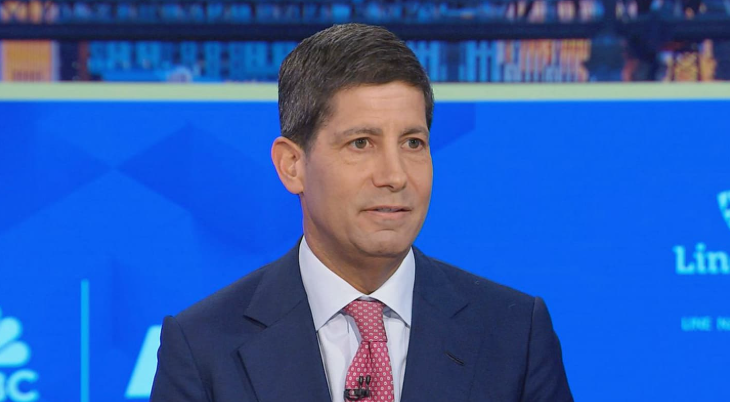
That question resurfaced after Donald Trump announced he plans to nominate Kevin Warsh as the next Chair of the Federal Reserve, replacing Jerome Powell.
While the headline sounds political, the real impact is financial. For homeowners who bought or refinanced between 2020 and 2024, this moment matters because it affects rates, payments, and opportunity—not ideology.
1. Why Markets Aren’t Overreacting to the Fed Nomination
Kevin Warsh is seen by Wall Street as a steady, experienced pick—not a wildcard.
Markets are currently pricing in:
- One or two additional rate cuts at most this year
- A long-term “neutral” fed funds rate near 3%
- No sharp policy pivots
The key takeaway:
Predictability matters more than politics, and markets largely see continuity ahead.
2. What Actually Drives Mortgage Rates (Hint: Not Headlines)
Mortgage rates don’t move because of Fed speeches or nominations. They respond to:
- U.S. Treasury yields
- Mortgage-backed securities (MBS) pricing
- Inflation and economic expectations
After the announcement:
- Treasury yields moved slightly higher
- MBS prices dipped modestly
- Overall market conditions remained stable
Stability is important because it encourages lender competition—and that benefits borrowers.
3. Where Mortgage Rates Sit Right Now
Recent data shows:
- Rates ticked up slightly week over week
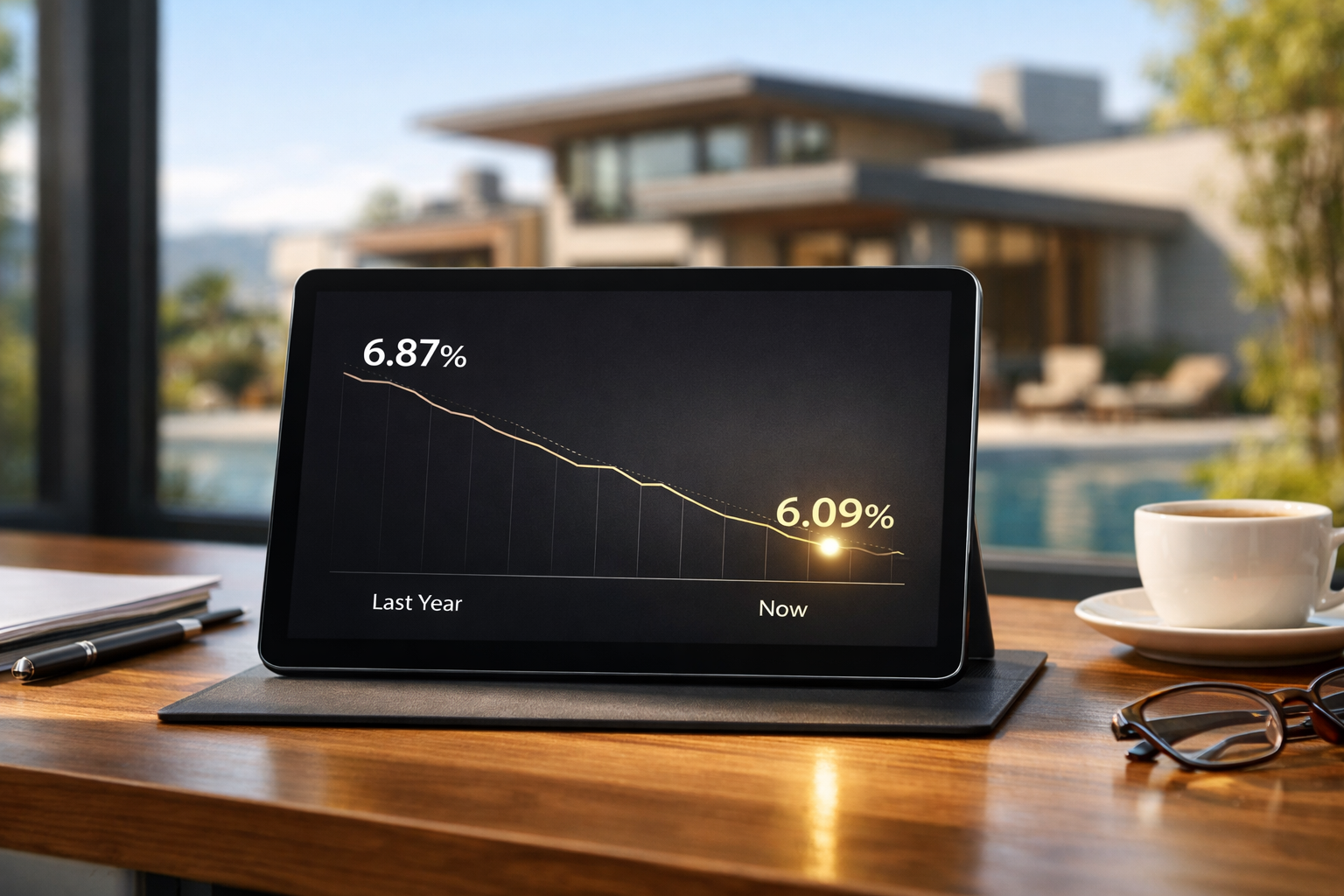
- Rates remain meaningfully lower than one year ago
- Many homeowners from 2022–2023 are still 0.75%–1.00% above today’s levels
This creates opportunity—not to time the bottom, but to restructure smarter.
4. Why Refinance Activity Is Rising Again
Refinance demand has jumped recently, and not because homeowners expect rates to collapse.
They’re refinancing to:
- Reduce monthly payments
- Remove mortgage insurance
- Adjust loan terms strategically
- Access equity without selling
- Improve cash flow and flexibility
For higher-income households and investors, refinancing has become a balance-sheet decision, not just a rate decision.
5. A Situation Many Homeowners Recognize
- You bought when competition was intense
- You accepted a higher rate to secure the home
- You planned to “fix it later”
Now:
- Equity has grown
- Income may be higher
- The mortgage still feels inefficient
That’s when refinancing shifts from a transaction to a strategy.
6. How to Know If Refinancing Makes Sense for You
The right question isn’t “Will rates drop more?”
It’s:
- How does your current rate compare to today’s options?
- How long do you plan to keep the property?
- What’s your equity position?
- Are you optimizing for cash flow, long-term savings, or flexibility?
A good refinance should improve options, not just lower a number.
Fed leadership changes grab headlines, but homeowners benefit most from understanding what’s happening beneath them.
Rates are lower than last year. Markets are calmer. Refinance activity is rising because planning is replacing panic.
If you locked in a mortgage over the past few years, this is a smart time to review—not rush—your options.
A short, informed conversation today could mean:
- Less interest paid over time
- Better monthly cash flow
- More financial flexibility
The goal isn’t to predict the market.
It’s to be positioned well within it.