Mortgage rates dropped to 5.99%. Discover how this quiet shift creates a rare window to refinance or buy real estate in 2026
This week, something important happened in the mortgage market. U.S. mortgage rates quietly dipped to **5.99%**, the lowest level in nearly three years. Most headlines shrugged. Smart investors paid attention.
Behind the scenes, the U.S. government instructed **Fannie Mae and Freddie Mac** to buy **$200 billion in mortgage-backed securities**, directly pushing mortgage rates lower.
This isn’t about hype. It’s about leverage. And for any client looking to refinance or purchase in 2026, this is opening a strategic window that could mean six figures in lifetime savings.
Here’s what it means for you — and how to use it.
What Just Happened and Why It Matters
1. U.S. national avarage mortgage rates quietly dropped to **5.99%**
2. The government ordered Fannie Mae and Freddie Mac to buy **$200B in mortgage bonds**
3. This increases demand for mortgage loans and **lowers rates further**
4. Analysts now expect an additional **0.25%–0.50% decline**
5. Lower rates mean **higher approvals, lower payments, and more buying power**
For luxury buyers and second-home investors, this shift changes everything.
1. Why This Mortgage Move Is So Powerful
Fannie Mae and Freddie Mac don’t lend money. They **buy mortgages from lenders** and package them into bonds sold on Wall Street.
When the government tells them to step in aggressively, three things happen:
1. Lenders get cheaper capital
2. Rates drop across the market
3. Qualification standards ease
This is the same playbook used in 2020 when mortgage rates fell below 3%. We’re not going back to those levels — but we are entering a **rare pricing window** where buyers gain leverage while sellers are still adjusting.
2. What This Means for National Average Buyers
On a $425,000 home, moving from 6.4% to 5.9% saves about **$118 per month**.
Now scale that to a **$2 million luxury condominium** in the U.S. That same rate move can mean:
1. Tens of thousands in interest savings
2. Improved debt-to-income ratios
3. Easier underwriting
4. More favorable leverage
In today’s market, **qualification — not price — is the bottleneck**.
This quiet rate shift directly attacks that bottleneck, allowing affluent buyers to deploy capital more efficiently while keeping liquidity free for investments, travel, or private equity.
3. Why This Is a Once-Per-Cycle Buying Window
Most investors wait for headlines. Smart investors position ahead of them.
Mortgage markets move **before** real estate prices do. When rates fall quietly, three things happen next:
1. Buyers return
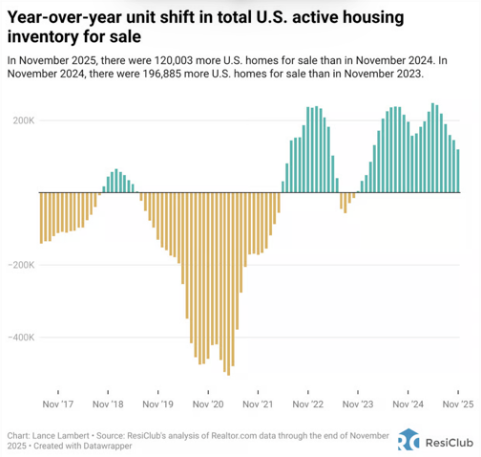
2. Inventory tightens
3. Prices begin rising
This is the early phase — the part where the best units, views, and floorplans are still available.
4. What This Means for Homeowners and Portfolio Optimization
Refinance applications were already **133% higher** than last year — even before this government action.
Why?
Millions of homeowners locked in rates between **6.75% and 7.5%** during 2022–2024.
The rule of thumb is simple:
A **0.75% drop** usually makes refinancing worthwhile.
We’re approaching that now. For many high-net-worth clients, this means:
1. Lower carrying costs
2. Improved cash flow
3. Better leverage for future purchases
This isn’t about reacting late — it’s about positioning early.
The biggest financial wins don’t come from chasing headlines. They come from understanding **quiet shifts** before the crowd arrives.
This mortgage move is one of those moments.
Lower rates improve qualification, unlock leverage, and accelerate demand — especially in **Miami’s luxury condominium market**.
If you’re considering a second home, an income-producing luxury unit, or optimizing an existing portfolio, now is the time to get positioned.
Book a free refinance or buyer affordability consultation today and let’s map the smartest way to save and deploy your capital